This post may contain affiliate links which won’t change your price but will share some commission.
Jump to recipe
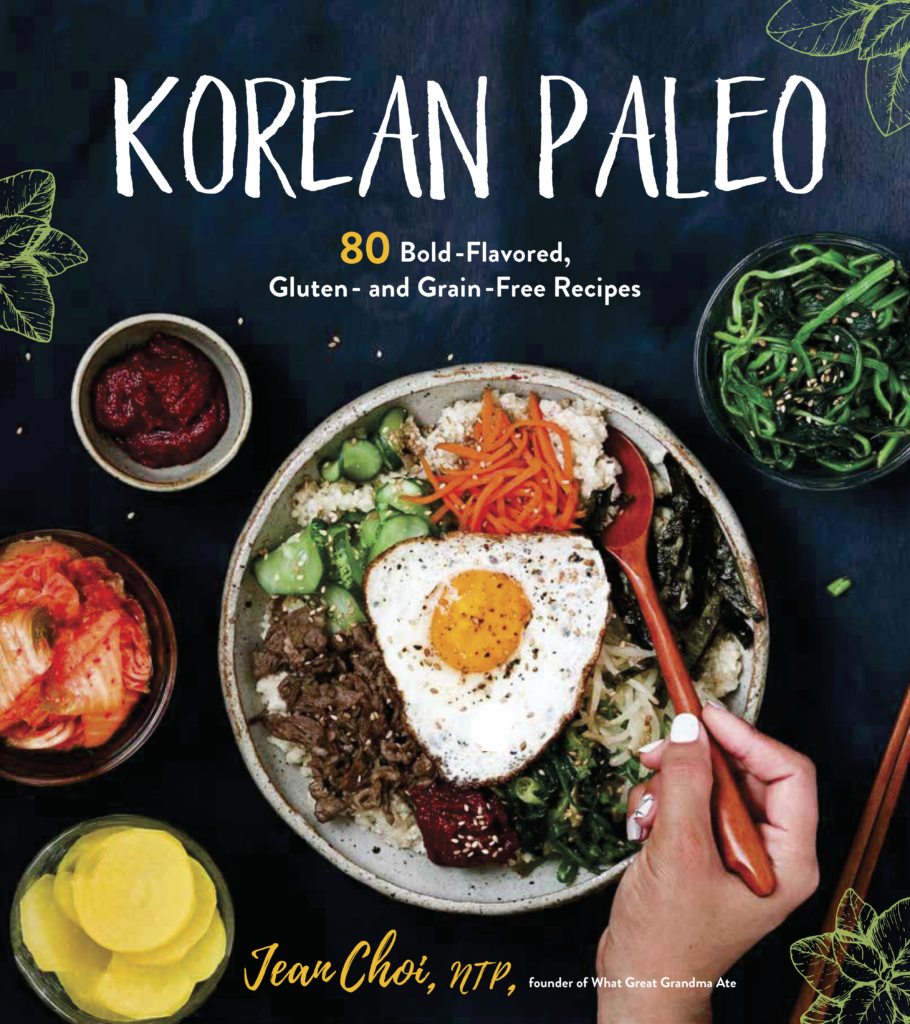
I received a copy of Korean Paleo to do an unbiased review on. I am and was excited because I really like Korean food but don’t get to eat it very often. My hope is that with my own book of extra healthy Korean recipes (Korean food is pretty health to begin with), I will make more Korean dishes.
So what is Korean paleo you ask? Well the paleo diet means no grains, no potatoes, no sugar, and no dairy. The biggest difference then from regular Korean cooking is that this cookbook does not use any rice. The rice Jean Choi recommends is cauliflower rice, which is one of my favorite options now anyway.
Korean cooking includes a lot of vegetables which of course is good for all of us. And Koreans are famous for kimchi, a probiotic fermented cabbage dish. So if you want to be healthier in the next months, learn to cook some Korean paleo dishes.
Korean Paleo contains 80 recipes, most of which are traditional and authentic in flavor. Favorites like Bibimbap, Bulgogi, and Kimchi are in this book and some dishes I have never heard of before. One of favorite chapters is the last one, Korean Kitchen Must-Haves. It includes kimchi, Gochujang (Korean Red Chili Paste), Miso Paste, Cauliflower Sticky Rice, and two different dipping sauce recipes. She also includes a few pages in this section of ingredients you will need to have on hand to make these recipes, things like mung bean sprouts, Korean radish, dried seaweed, coconut aminos and other necessary ingredients.
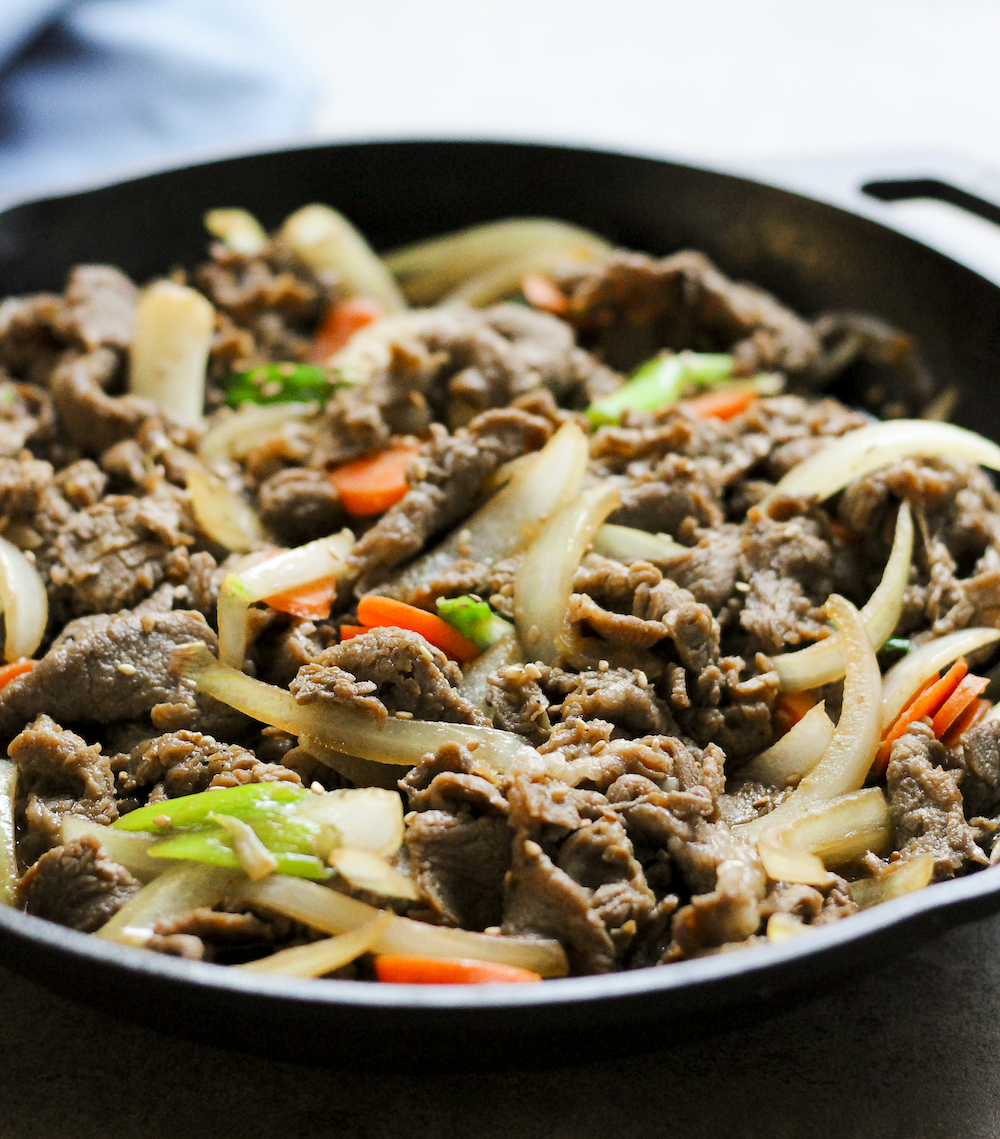
I tried the Bulgogi recipe, the Korean BBQ Beef, a recipe I have had before and really like. This came out really delicious and I can recommend it. I have permission to share it with you.


Ingredients
- 1 lb beef sirloin (or any other tender marbled cuts)
- Marinade:
- 6 tbsp coconut aminos
- 1/2 medium pear (prefer Korean pear), cut into chunks
- 2 tsp sesame oil
- 1 inch piece fresh ginger
- 3 cloves garlic, peeled
- 2 tbsp apple cider vinegar or coconut vinegar
- 1/2 tsp sea salt
- 1/4 tsp black pepper
- Main dish:
- 1 medium onion, sliced
- t green onions, sliced in 1 inch pieces
- 1 carrot, sliced
- 1 tbsp cooking oil
- 1 tbsp toasted sesame seeds
- green or red leaf lettuce and dipping sauce for serving (optiona)
Instructions
- Place the beef in the freezer for 30 minutes, then take it out and slice it thinly, about 1⁄16 to 1⁄8 inch (1 to 3 mm) thick.
- Place the coconut aminos, pear, sesame oil, ginger, garlic, apple cider vinegar and black pepper in a high-powered blender. Blend well until liquified.
- Combine the sliced beef and the marinade in a large bowl. Toss and massage together with your hand until all the beef slices are covered in the marinade. Cover and marinate in the refrigerator for 1 hour to overnight.
- When you are ready to cook the beef, remove it from the marinade, shaking off the excess drippings. Slice the onion, green onions and carrot, and combine the vegetables with the meat.
- Heat the cooking oil over high heat in a large skillet. Working in batches so you don’t overcrowd the pan, add the beef and vegetables and stir-fry together until the meat is browned and cooked through, about 5 to 7 minutes.
- Sprinkle with toasted sesame seeds before serving. You can eat Bulgogi on its own or in a lettuce wrap served with Umma’s Ssamjang (Dipping Sauce).
And the next recipe I want to try? Kkwabaegi, the twisted sugar doughnuts. Jean’s recipe uses coconut flour and psyllium husk, which makes me think it will come out with the right texture. I will update this post after I try it and let you know how I like them.
To get your own copy, you can go to Amazon and place an order.
This is my affiliate link.

Leave a Reply